Malta Digital Nomad Visa

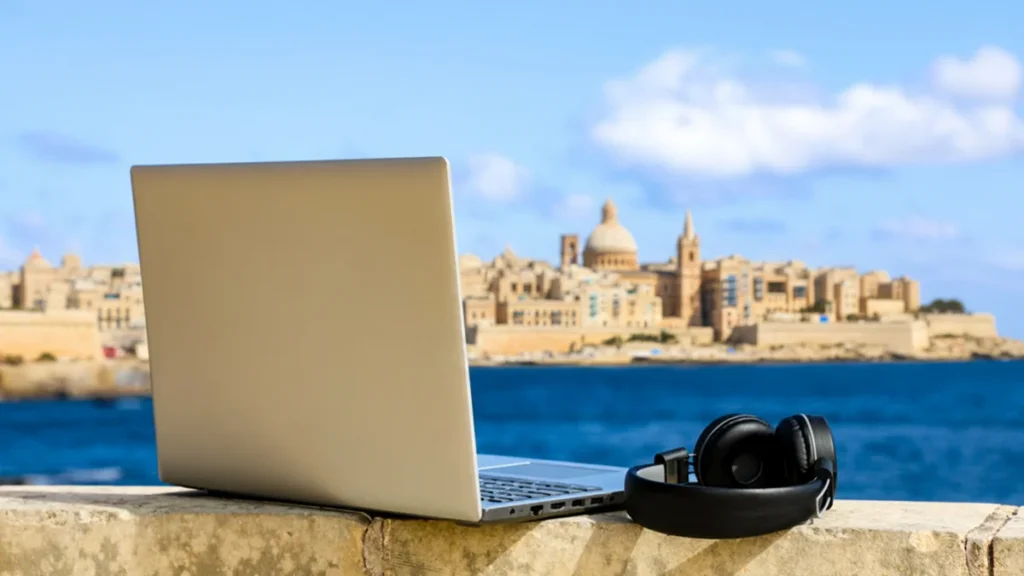
Over the past years, Malta has positioned itself as a leading European hub for remote workers and digital entrepreneurs. With its English-speaking environment, robust digital infrastructure, and EU membership, the country offers a compelling base for individuals seeking to combine a Mediterranean lifestyle with continued international work.
The Malta Digital Nomad Visa, formally known as the Nomad Residence Permit, provides a legal framework for non-EU nationals to reside in Malta while maintaining employment or business activities outside the country. Introduced in 2021 and administered by the Residency Malta Agency, the programme reflects Malta’s broader strategy to attract globally mobile talent.
What is the Malta Digital Nomad Visa?
The Malta Digital Nomad Visa allows third-country nationals to live in Malta while working remotely for foreign employers, clients, or businesses. The key principle underpinning the programme is that economic activity must remain outside Malta, meaning the applicant cannot work for Maltese employers or serve local clients.
The permit is typically issued for one year and may be renewed, allowing a maximum stay of up to four years, subject to continued eligibility.
While it grants the right to reside in Malta and travel within the Schengen Area for short stays, it does not directly lead to permanent residence or citizenship.
Key Eligibility Criteria
The programme is specifically designed for remote professionals who can perform their work independently of location. To qualify, applicants must meet a number of core requirements:
– The applicant must be a non-EU, non-EEA, and non-Swiss national
– The applicant must demonstrate the ability to work remotely using telecommunications technology
– Applicants must fall into one of the following categories:
• Employees of a company registered abroad
• Business owners or partners in a foreign company
• Freelancers or consultants serving clients outside Malta
– A minimum gross annual income of approximately €42,000 must be demonstrated
– Supporting documentation including valid travel documents, health insurance, proof of accommodation, and a clean criminal record is required
Legal and Tax Considerations
The Nomad Residence Permit is issued under Malta’s immigration framework, linked to the Immigration Act (Chapter 217 of the Laws of Malta), which regulates residence permits for third-country nationals.
From a tax perspective, Malta has introduced specific rules governing income derived by digital nomads. Under the Nomad Residence Permits (Income Tax) Rules, 2023 (Legal Notice 277 of 2023), eligible individuals may be subject to a 10% tax rate on income derived from authorised remote work, subject to applicable conditions.
Authorised work refers to services provided remotely to employers or clients who are not resident in Malta and do not carry out business in Malta.
Malta Digital Nomad Visa Application
The application process for the Malta Digital Nomad Visa is relatively streamlined and is handled through the Residency Malta Agency.
In broad terms, the process involves:
1. Preparation of documentation including proof of remote work, income, identity, and accommodation
2. Submission of the application together with the applicable government fee
3. Due diligence and assessment by Maltese authorities
4. Approval and issuance of the relevant permit or visa
Why Malta?
Beyond the legal framework, Malta’s appeal lies in its practical advantages for remote professionals. These include an English-speaking environment, EU and Schengen access, strong infrastructure, and an attractive Mediterranean lifestyle.
The Malta Digital Nomad Visa offers a structured and accessible route for remote professionals seeking to relocate without disrupting their existing international work arrangements. Applicants should consider both immigration and tax implications holistically, particularly in a cross-border context
RELATED ARTICLES
Maltese Citizenship by Merit
Malta 15% Tax Programmes Reform and the 2027 Individual Tax Programme
Malta Founder Relocation and Global Asset Structuring: Beyond Immigration Planning

Malta’s Growing Appeal to Americans: Business, Lifestyle and European Access

Malta Digital Nomad Visa
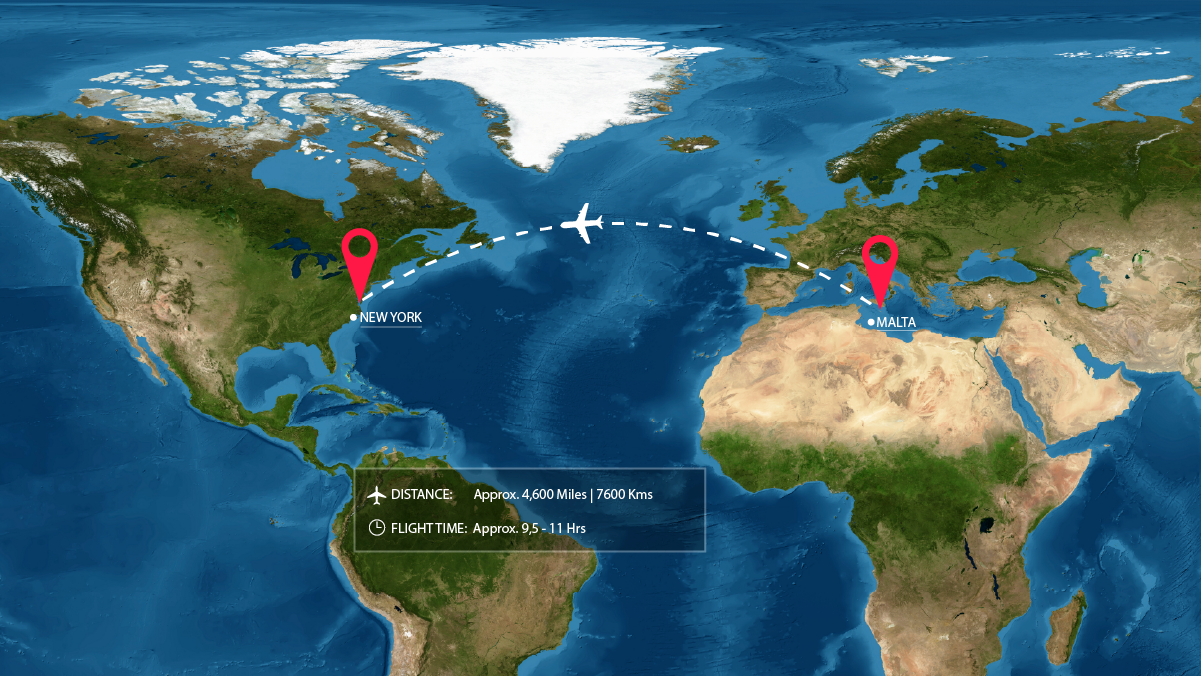
Delta’s Direct New York–Malta Route Signals a New Era in US–Malta Business, Investment and Global Mobility